Symptoms of a fracture in children include pain, difficulty moving the affected limb, and a limp. It can be treated with a cast or splints, though some cases may require surgical intervention.
Fractures in Children: Symptoms, Treatment & When to See an Orthopedic Doctor
Children love to explore. Jumping, playing, running, and sports seem exciting to them. While physical activities are always encouraged, children are more prone to falls and injuries. Most of the time, it’s just scrapes and minor injuries, but sometimes injuries can be much more than a simple wound.
It could be a fracture (broken bones) that may require a visit to the pediatric orthopedic doctor in Mulund. Fractures also vary in types and severity. Knowing the difference between a bruise and a fracture is crucial so that you can decide on the best treatment.
Fractures in Children: How to Know If It’s a Fracture?
Bones in children are comparatively more flexible than those in adults. So, even with accidents, they are less likely to break completely and more likely to bend and crack. Greenstick fractures, for example, are more common in children because of their bones’ flexibility.
The bone bends enough to crack on one side, instead of typically shattering into small fragments. Parents often wonder how they can tell if their child has fractured a bone. Let’s look at the common symptoms.
Symptoms of Fractures in Children
Sometimes, children are unable to express their symptoms well. Here are the classic signs to watch for if you suspect a fracture.
- Severe pain that leads to intense crying episodes
- Swelling develops shortly after the injury
- The affected area feels tender and puffy
- The child starts limping and refuses to use arms, knees, hips, or other injured areas
- Visible deformity, usually in severe cases of fractures.
The child may not directly tell you their joint hurts, but if they limp, have a noticeable deformity, or cry when you touch the affected area, take them to the orthopedic doctor immediately.
Fracture Treatment in Mulund
The good news? Children’s bones heal fast and smoothly. Let’s explore the common treatment options.
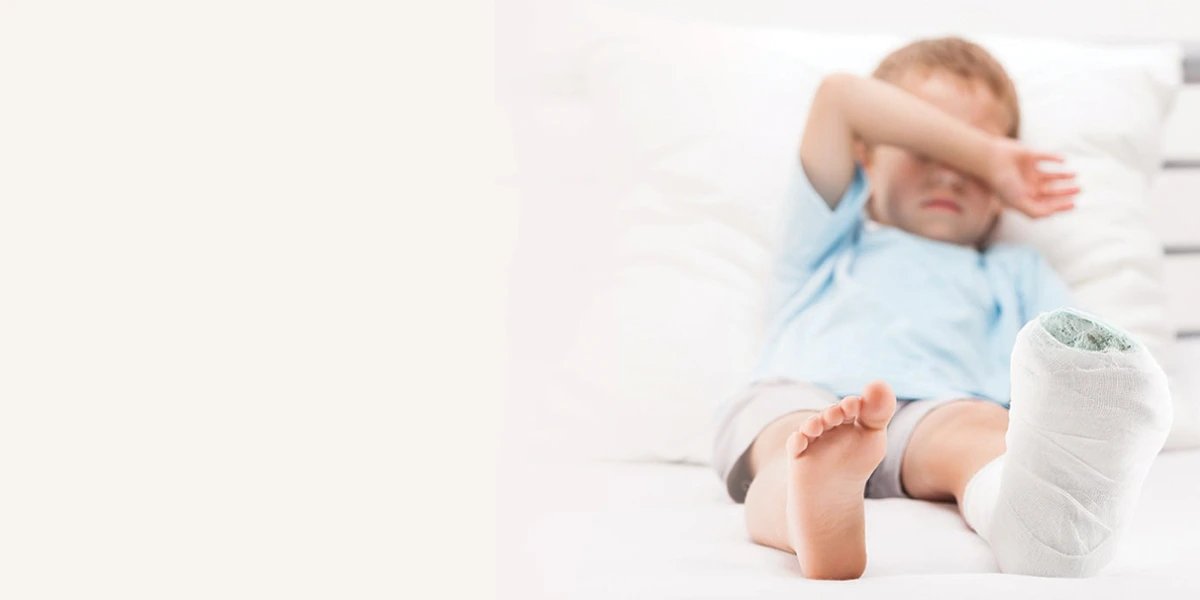
- Cast or Splints: Mostly, casts or splints are used to immobilize the bone and joint, so the bone doesn’t move while it’s healing. The cast might be needed for a few weeks, depending on how fast the bone heals.
- Reduction: If the fragments of the bone are displaced, a small manual procedure called reduction is performed to realign the bone. They use sedation, pain relief, or, in some cases, anesthesia to make your child comfortable during the procedure.
When is Surgery Needed?
Most childhood fractures heal with casts. Surgery is recommended in severe cases with more complex fractures. If your doctor can’t safely realign the broken bones from the outside, they may perform open reduction and internal fixation surgery.
For open fractures, for example, immediate surgery may be needed. Because the bone punctures the skin, surgery helps not just in correctly aligning the bone and immobilizing it, but also in preventing the risk of infection. Pins, screws, or plates, and sometimes, rods may be used to keep the bones in place until they heal.