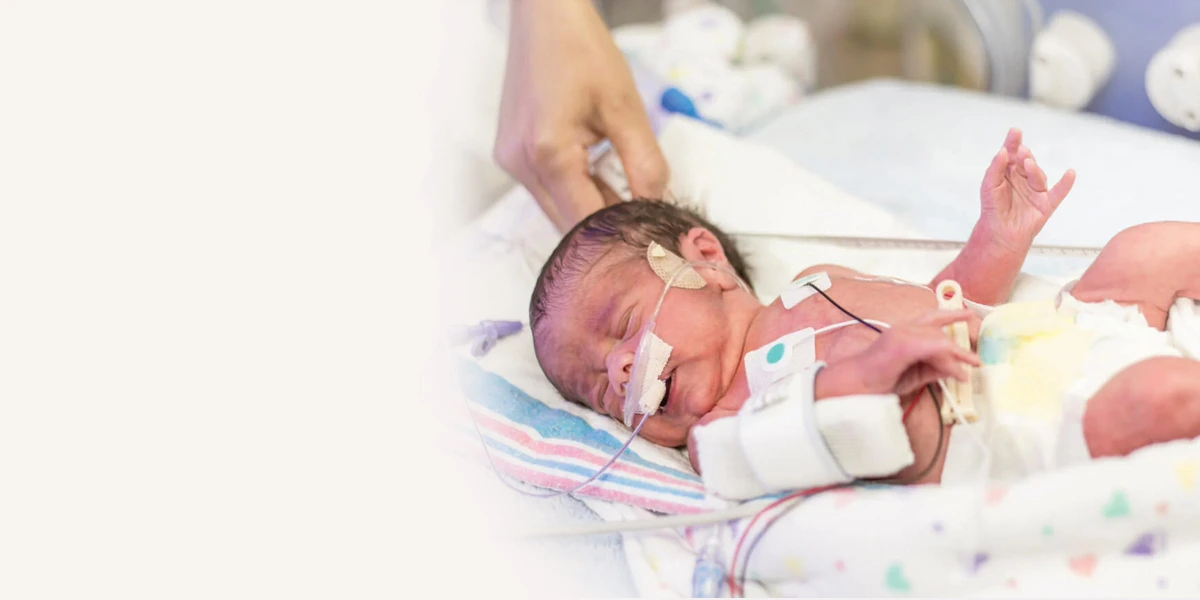
Premature babies are admitted to the NICU for advanced medical care. Feed them consistently, ensure they are warm but not overheated, and watch for the warning signs, such as breathing issues, low urine output, or poor feeding.
Premature Baby Care: Essential Tips, Risks & When Your Baby Needs NICU Support
No parents are prepared for a premature birth. Switching from the thoughts of singing soft lullabies or putting on the cute little socks to watching your little fighter struggling to survive in the NICU in Mulund can be challenging. If you have given birth prematurely, know that you aren’t alone.
Many babies born before the mothers could complete their gestation period thrive and grow just like other babies. If you are confused about what life with a preemie will be like, we’ve covered everything you should know about taking care of your premature newborn.
Who is Considered a Premature Baby?
Your delivery is considered premature if you haven’t completed at least 37 weeks of gestation. Some are born just a few weeks early, while others might be born very early. These babies may require specialized care at the Neonatal Intensive Care Unit.
The earlier the baby is born, the higher the risk, as their vital organs, especially lungs, may not have matured yet. If premature delivery is planned, your gynecologist may give you medicines that help mature the baby’s lungs so they don’t struggle outside your womb.
The wires, tubes, and small incubators may seem overwhelming, but that’s exactly what a premature baby needs to thrive perfectly. At NICU, a neonatologist in Mulund monitors their vitals to ensure they are doing well. These units are specifically designed to support babies until they are healthy enough to breathe, regulate their temperature, and feed independently.
Essential Tips for Caring for Your Premature Babies at Home
Here are a few essential tips that may help make things manageable.
- Feed them patiently: Your baby may become tired easily after feeding. Be patient. Frequent, small feeds are highly encouraged, especially in the first few weeks.
- Keep them Comfortable: Preemies often struggle with temperature regulation. They tend to lose heat quickly. Keep them warm, but do not pack them with multiple, thick layers of clothing. Keep them in a warm, comfortable room, and avoid direct exposure to cold air.
- Maintain Hygiene: Your baby’s immune system is still developing. Limit visitors, wash their hands frequently, and keep their surroundings clean to reduce their risk of contracting an infection.
- Understand their Sleep Cycle: Preemies sleep a lot. Your goal is to keep them comfortable and ensure their safety during sleep. Make sure they sleep on their back with no toys or anything placed close to them.
Know the Risks
You may feel worried about a newborn who was born prematurely. To ensure their safety, the biggest step you can take is knowing the risks or the signs that warrant a visit to a pediatrician. Here’s what to watch out for:
- Difficulty breathing
- Yellowing of the eyes or skin
- Not gaining adequate weight
- Low urine output
- Not feeding properly
- Signs of infection
With regular check-ups and careful monitoring, most premature babies grow normally.