
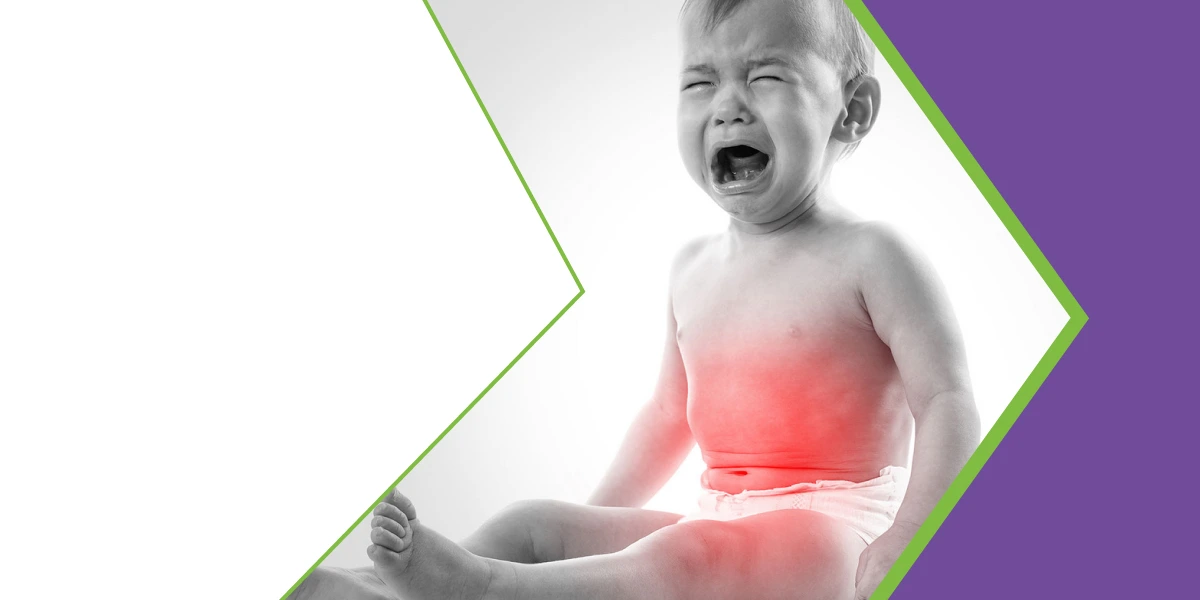
Has your child been passing watery, loose, and frequent stools? That could be diarrhea. It’s common in children, but can be messy and tiring for parents. Knowing what causes diarrhea in children, understanding the symptoms, and treatment can provide you with peace of mind. In this post, we’ve shared everything you should know about diarrhea in babies and what you should do if your little one gets it.
Understanding Diarrhea
Diarrhea is when the child’s poop texture, consistency, and frequency change. Instead of the soft stools, your child passes watery, thin stools with an unusual odor, multiple times a day. It may last a couple of days or longer (if the child has chronic diarrhea). Anyone can develop diarrhea, but children are at an increased risk, as their immune system is still developing.
What Causes Diarrhea in Children
The water in the stool is absorbed by the colon, so that your poop gets a soft, formed texture. When your colon is inflamed, the stool becomes loose and watery. The most common cause of diarrhea in children is rotavirus, but it can also be caused by a bacterial infection. Other causes include lactose intolerance or allergies, poor hygiene, and certain types of antibiotics.
Symptoms of Diarrhea
It’s essential to monitor your child’s symptoms and consult a pediatrician in Mulund as soon as possible if you notice any signs of dehydration. Here are the symptoms of dehydration from diarrhea in children:
- Dry mouth
- Irritable
- Fewer wet diapers than usual
- No or fewer tears when crying
- Sunken eyes
Dehydration is a significant complication of diarrhea, and children are particularly vulnerable, as they tend to lose water and electrolytes, including salt, more quickly.
How to Deal with Diarrhea in Children
In children with mild cases of diarrhea, hospital visits are usually not needed. If they seem happy and healthy, are eating well, and are passing adequate urine, monitoring their symptoms and keeping them fed and comfortable will be enough.
If your child has diarrhea with vomiting, you may need to stop giving them a heavy, spicy diet and start electrolyte solutions following your doctor’s recommended dosage. Once the vomiting stops and their symptoms ease, you can gently resume their diet.
If diarrhea is severe (your child passes a watery stool every 1-2 hours), get them to the hospital immediately. Severe diarrhea can lead to dehydration in children. Make sure they get enough fluids. If needed, the pediatrician may administer fluids through IV.
Can Diarrhea in Children be Prevented?
Although diarrhea can’t always be prevented, certain steps and basic hygiene practices can reduce your child’s risk of getting diarrhea. Here’s what may help:
- Get your child vaccinated
- Teach your child to wash hands after eating and using the toilet
- Give medication, especially antibiotics, only when absolutely necessary and after a doctor’s recommendation
- Offer freshly cooked food and clean water
See a doctor if your child’s stool has blood or mucus, or if they seem feverish with severe abdominal pain and persistent vomiting.