Struggling with Prolonged and Painful Periods? Uterine Fibroids can be the Cause
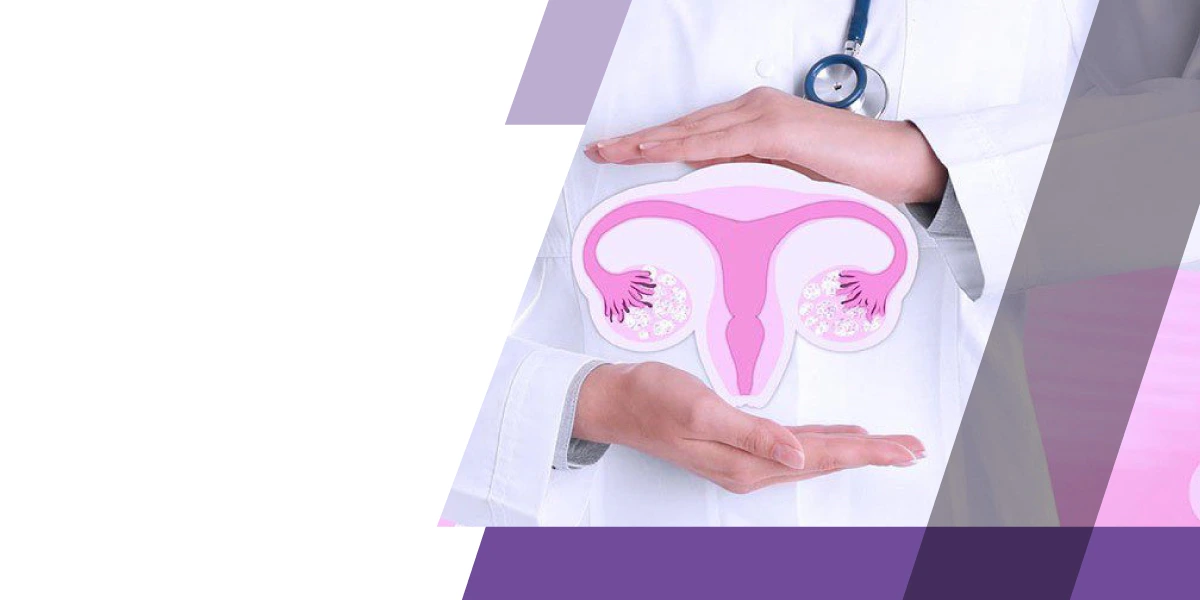
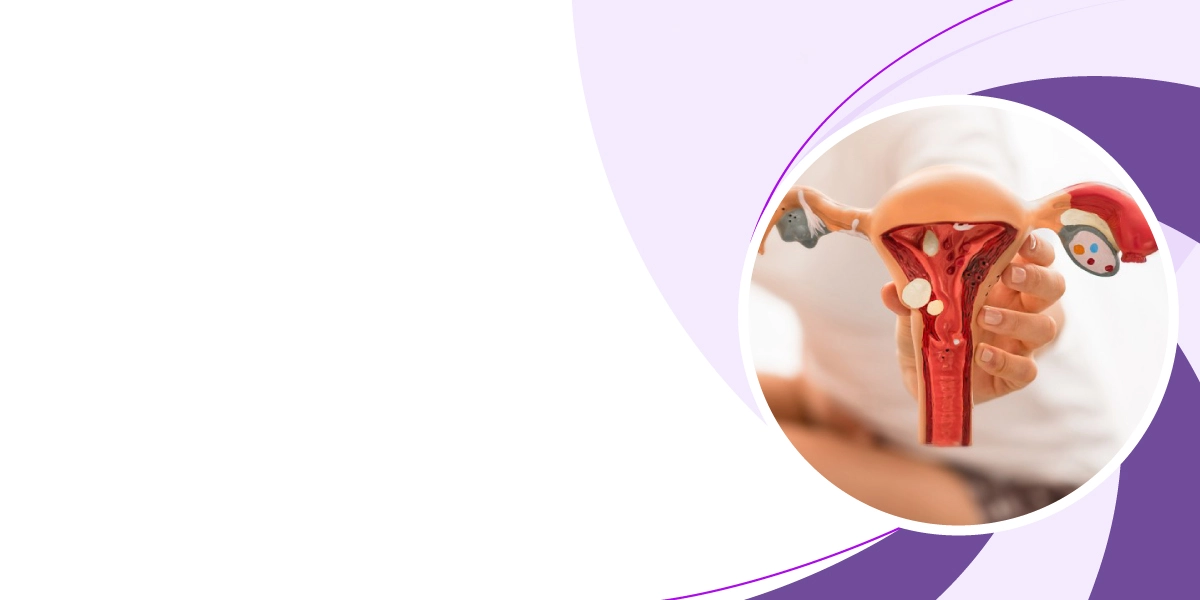
Uterine fibroids, known as leiomyomas and myomas, are prevalent, benign tumors found in or near the uterus. They are generally harmless and, in many situations, never progress to cancer or elevate your risk of developing specific types of cancer.
Fibroids do not always cause symptoms, which leaves them undetected in many cases, until they are accidentally caught on an ultrasound. If you ever need to have the fibroids removed because of the painful symptoms, a laparoscopic myomectomy surgery in Mulund is an effective option.
Symptoms and Causes of Uterine Fibroids
If the fibroid causes symptoms, they usually include:
- Heavy bleeding
- Painful sex
- Prolonged periods
- Bloating
- Constipation
Causes of Uterine Fibroids
The exact cause of fibroids may be unclear, but these causes are commonly linked to an increased risk.
Hormonal Changes: Hormonal fluctuations, such as increased estrogen and progesterone, can result in uterine fibroids. When these hormone levels drop, the fibroids may shrink.
Genetics: If a close family member has had fibroids, you might be at an increased risk of developing this benign uterine growth.
Lifestyle Factors: Obesity, excessive consumption of processed foods, and high blood pressure can heighten your risk of uterine fibroids. Some diets, especially those rich in red meat and low in fruits and veggies, are linked to fibroids.
Diagnosis and Tests
Fibroids can be detected by chance during routine ultrasounds or pelvic tests. Sometimes, gynecologists recommend diagnostic tests if they suspect fibroids. The most commonly used test for uterine fibroids is an ultrasound. An abdominal or transvaginal ultrasound provides an image of the uterus. Further testing, such as an MRI, can show the presence of fibroids, their size, location, and number.
Management and Treatment
Fortunately, not every woman with uterine fibroids needs treatment. If the fibroid is asymptomatic or small, watchful waiting may be sufficient. If you experience heavy bleeding, painful periods, and other symptoms, see a gynecologist to discuss your treatment options. Here’s what may help.
Medications: Your doctor might advise you to take birth control pills (if you aren’t planning pregnancy) to control heavy bleeding. Hormonal medication, such as GnRH agonists, can also be used to stop periods temporarily or ease your transition into menopause, but these are often limited for 6 months, as they can cause bone thinning.
Non-Invasive Procedures: Uterine Artery Embolization is another effective treatment for uterine fibroids. In UAE, a thin tube is guided through your groin or arm into the uterine arteries. These are then used to inject particles that cut the blood supply to the fibroids. UAE shrinks fibroids and relieves your symptoms.
Invasive Procedure: A surgery to remove the fibroids, also called myomectomy, is a wise treatment choice for patients planning a pregnancy in the future. Hysterectomy is another effective option for patients looking for a permanent solution to uterine fibroids.
Conclusion
Uterine fibroids may sound scary, but they are fairly common in women. Some may not cause any symptoms, others, however, might cause pelvic pain, heavy & prolonged bleeding, and other symptoms that may require a visit to a gynecologist in Mulund. Seeking prompt medical care can help relieve your symptoms and improve your quality of life.