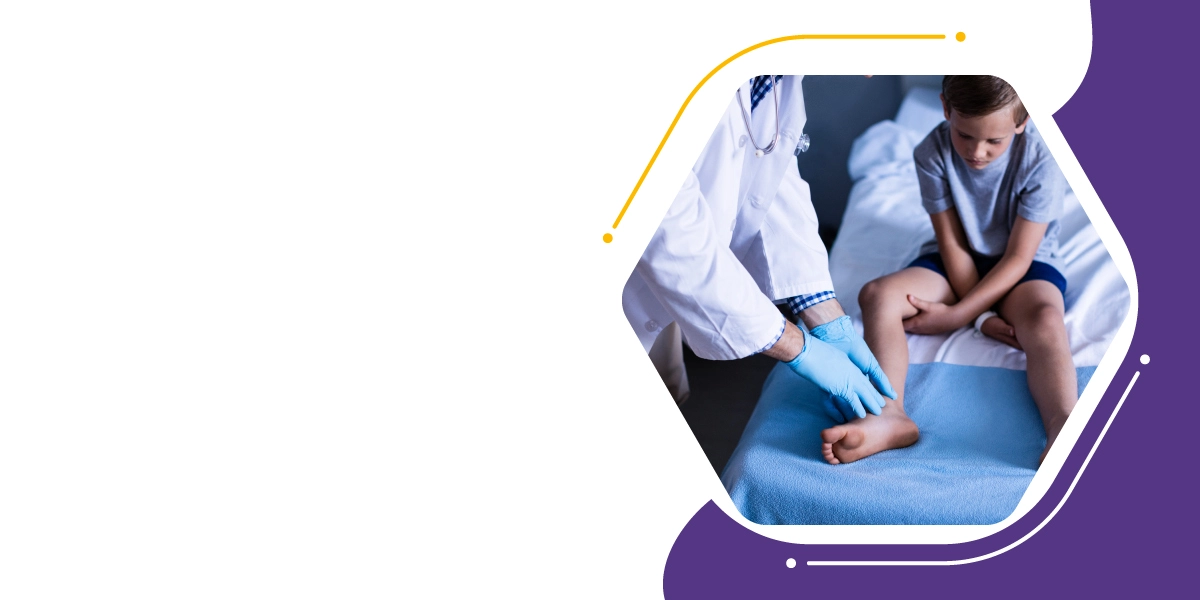
As parents, our biggest concern is our child’s physical and cognitive growth. Occasional bone and joint aches in our children can seem concerning, but in most cases, these are harmless. Certain musculoskeletal issues, however, require attention and a visit to the best hospital for pediatric orthopedics in Mulund. This leads us to the question, what is pediatric orthopedics, and when you should seek treatment.
Common Orthopaedic Problems in Children
Here’s a list of some common orthopedic issues that many parents tend to face.
Growing Pains:
Your little one might have complained about pain in their muscles, especially legs, at night. These are normal and linked to muscle fatigue.
Flat Feet:
Sometimes, the arches develop later in children. If they do not develop by the time they turn six, or they constantly complain about foot pain, or you notice a visible flat foot, take them to a doctor specializing in pediatric orthopedics in Mulund.
Scoliosis:
Scoliosis is the C-shaped or S-shaped curve of the spine. The condition is most commonly seen in children aged between 10 and 18 years. The symptoms include uneven shoulders and a waistline.
Fractures:
Children like to stay active. This increases the risk of slip and fall accidents, which can sometimes result in greenstick fractures. Their bones can heal faster, but in some cases may require braces or further treatment to ensure proper bone alignment.
Clubfoot:
Children born with clubfoot, i.e., the foot turning either inward or downward, making it difficult to place the sole on the ground, require orthopedic treatment. With braces, the condition can be treated effectively.
Bow Legs:
Many children, especially infants, have bow legs, i.e., the knees curve outward. It creates a prominent distance between the legs when the ankles are put close together. If the condition persists beyond 2 years, see an orthopedic specialist.
Why Paediatric Orthopaedic Surgeons Are Essential
A pediatric orthopedic specialist specializes in treating bone and muscle issues in children (from infants to adolescents). They are trained to identify common problems in the child’s musculoskeletal development. They study pediatric musculoskeletal development, posture, and gait. They work with neurologists, surgeons, and other healthcare professionals to recommend age-appropriate treatment.
Identifying Pain in Children
The biggest issue that parents experience with children is recognizing the early warning signs of orthopedic issues. Children may not be able to explain the pain or the discomfort clearly, making it harder for parents to know when specialized medical care is necessary. Here’s how you can understand the common red flags.
Verbal Signs:
If your child has started speaking, they might say “my legs hurt” or “I can’t walk”.
Non-verbal Signs:
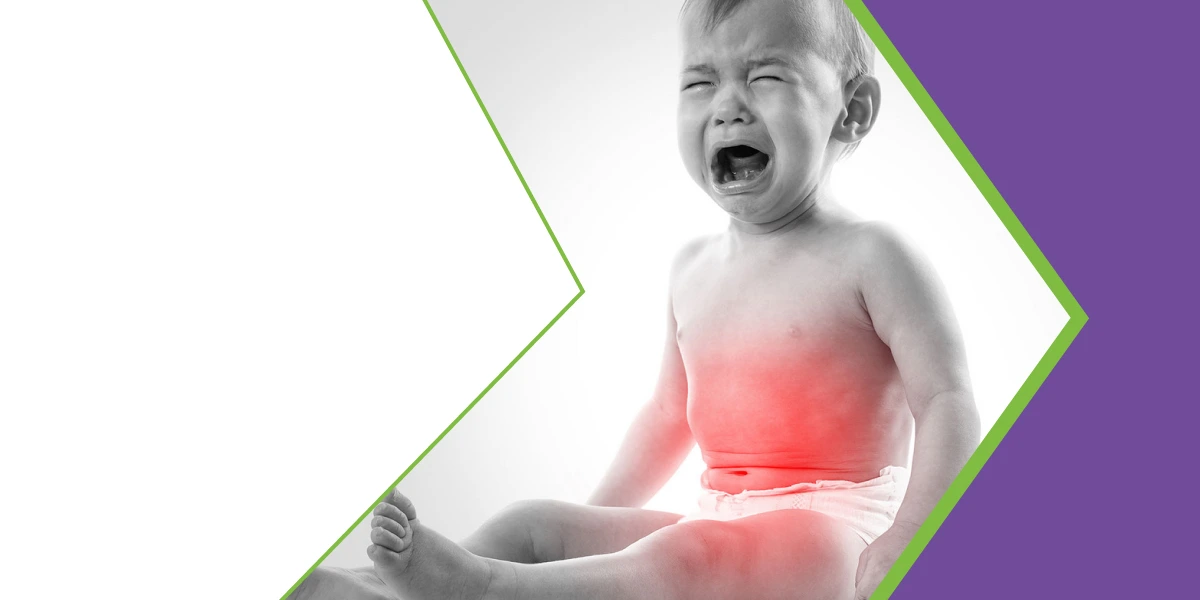
You might notice the obvious issues, such as flat foot, bow legs, and club foot. In underlying orthopedic issues, such as fractures or severe pain, the child might limp, cry inconsolably, and avoid physical activities.
Behavioral Changes:
Crying is the most obvious sign, accompanied by difficulty falling or staying asleep, irritability, and poor appetite.
When to See a Paediatric Orthopaedic Surgeon
Here are the signs your child needs to see a pediatric orthopedic surgeon:
- Pain in the bones and muscles that lasts for many days.
- Limping
- Recurrent fractures
- Difficulty or pain while walking
- Visible structural issues
The sooner you take them to a child specialist, the faster the condition can be diagnosed and treated.