Menopause marks the big hormonal transition in a woman’s life. A woman’s body starts producing estrogen and progesterone during puberty. However, as she reaches her 40s and 50s, the production slowly declines until it reaches a significantly low level. That’s what menopause is the significant hormonal shift.
Let’s learn more about the length of menopause, what happens during this phase, when you need menopause treatment in Mulund, and how it can be managed.
When Does Menopause Begin, and How Long Does it Last?
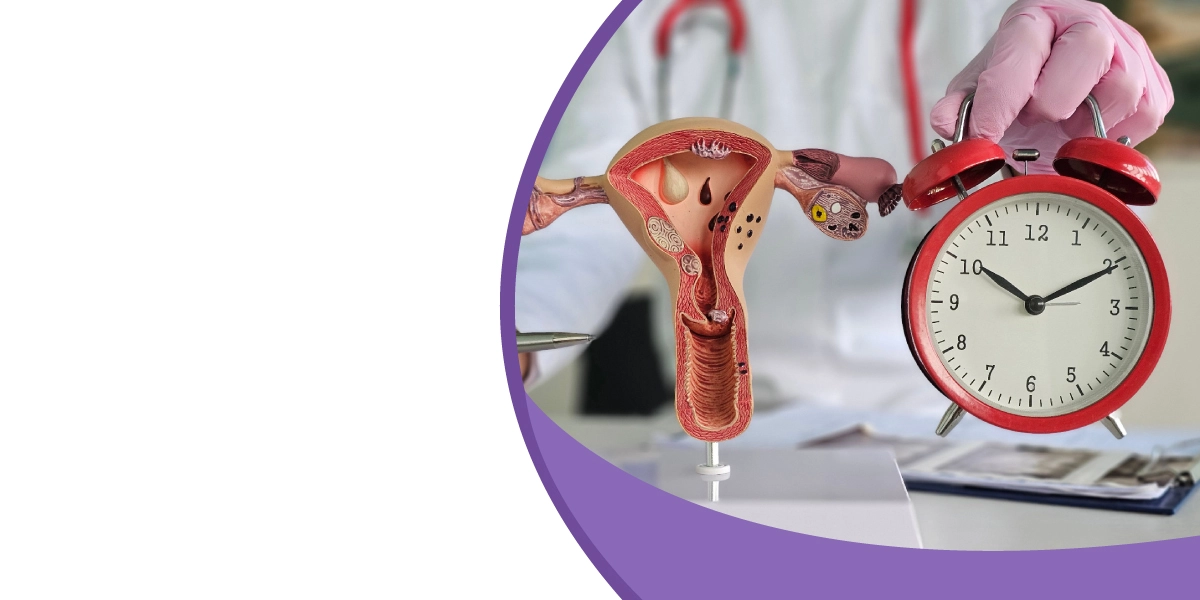
The typical age for menopause is the early 50s, but every woman’s body is different. Besides, the symptoms of menopause start much earlier. The transition to menopause can last 2-10 years. It’s called perimenopause, a stage where your hormonal fluctuations begin, leading to unpredictable and irregular menstrual cycles, hot flashes, mood swings, and sleep disturbances.
Menopause is when you have stopped having periods or have not had one for at least 12 consecutive months. Postmenopause is a year after your period stops. The severity might lessen by this time, but some women continue to experience menopausal symptoms.
Symptoms of Menopause
Menopause symptoms can be different for each woman. Some may not experience drastic changes, while others struggle with sleep and their overall routine. Here are some common symptoms.
- Hot flashes
- Night sweats
- Decreased urge for intimacy
- Vaginal dryness
- Sleep disturbances
- Joint aches
- Tender breasts
- Weight gain
- Irregular periods
Women also experience emotional symptoms, such as mood swings, forgetting things, brain fog, and anxiety.
Can Menopause Affect My Health in Other Ways?
Yes, menopause has some long-term health impacts. Here’s how it affects your body.
- Bone Health: With estrogen levels dropping fast, the bone loss also speeds up. This can increase your risk of osteoporosis.
- Cardiovascular Health: Estrogen also plays a role in protecting your heart’s health. As it declines, your risk of developing heart-related issues, such as high blood pressure, high cholesterol, and heart disease, may increase.
- Urinary Health: The risk of urinary tract infections also increases after menopause. Besides, some women report urinary urgency and even leakage, reduced libido, and vaginal dryness.
What Can I Do to Manage My Symptoms?
Menopause is bound to happen for every woman, but that doesn’t mean you have to struggle with its symptoms. Lifestyle changes and medical help, when needed, can make a big difference to your lifestyle, making this transition smooth and tolerable.
Lifestyle Changes: Add lots of fruits, vegetables, whole grains, lean proteins, and calcium-rich foods to your diet. Practice yoga, walking, and strength-training exercises regularly, and avoid foods that can make hot flashes worse, such as spicy foods, caffeine, and alcohol. Meditation and mindfulness can also help with your sleep and mood issues.
Medical Options: You can try pelvic floor exercises to strengthen your pelvic floor muscles. This can help prevent pain during intercourse and urinary leakage. Some hormone therapies and non-hormonal medications can be taken, but always consult a gynaecologist in Mulund before starting them.
That said, menopause is not a disease or a medical condition which would require treatment, but as your body adapts to the new hormone levels, it’s natural to experience some unpleasant symptoms.