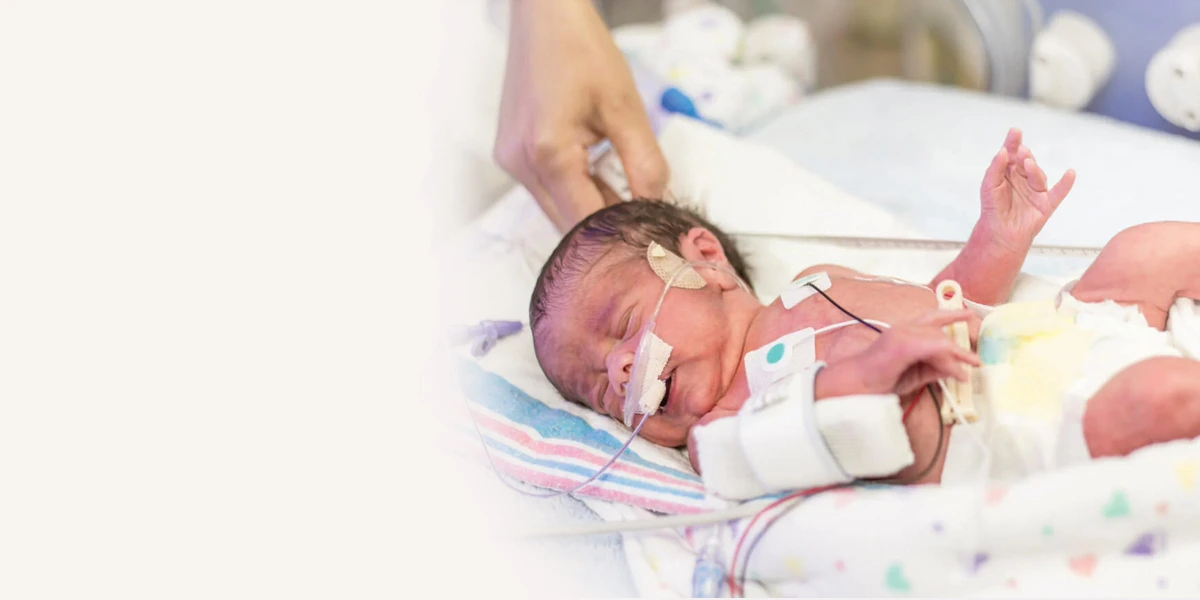

Some babies are born prematurely, i.e., before 37 weeks of gestation. This is called premature birth. Sometimes, doctors plan a premature delivery because of the health conditions of the mother, such as a higher risk of preeclampsia.
Regardless of the cause of premature birth, premature delivery is linked to increased risk of post-delivery complications in the baby. That’s because your baby’s brain and lungs continue to develop in the final weeks. Fortunately, such deliveries are now manageable, and the outcome is often pretty good with advanced high-risk pregnancy care in Mulund.
Most Common Cause: Preterm Labor
The most common cause of premature birth is preterm labor—the woman goes into labor earlier than 37 weeks. When labor begins, the cervix starts thinning and dilating. Sometimes early labor can be slowed or stopped, but in other cases it continues, and premature delivery becomes unavoidable.
It’s important to watch for signs of preterm labor and visit your nearest gynecologist’s clinic for a checkup. Some common signs include contractions, which feel like menstrual cramps, bleeding or excessive vaginal discharge, heaviness in the vagina, and tightness in the abdomen.
Other Contributing Factors
Sometimes, premature birth occurs due to these underlying factors:
Infections: Certain infections of the uterus, amniotic fluid, and cervix can cause inflammation in your body and trigger early labor. Sometimes, these infections do not occur with obvious symptoms, which is why prenatal screening is important.
Chronic Health Conditions: Mothers with gestational diabetes, high blood pressure, thyroid disorders, and kidney diseases are at increased risk of premature delivery. These chronic health issues can put excessive stress on the body and might initiate early labor. Fortunately, chronic diseases can be controlled with proper medication and regular monitoring.
Lifestyle Factors: Smoking, alcohol consumption, and substance use are some lifestyle factors that put you at a high risk for premature labor. Chronic stress can also affect hormonal balance, which, in some cases, can trigger early labor.
Prevention Strategies
Not every case of premature birth is preventable, but certain preventive steps can lower the risk. Here’s what may help:
Prenatal Care
Visiting a high-risk pregnancy doctor in Mulund is often the first step in ensuring the mother’s and the baby’s well-being throughout pregnancy. The doctor will check your blood pressure, blood sugar levels, and order ultrasounds and other tests to monitor your baby’s growth. Prenatal care is quite helpful in detecting infections early and managing chronic health issues that can cause complications later.
Lifestyle Changes
Living a healthy lifestyle can make a big difference in your pregnancy journey. Simple steps, like eating a well-nourishing diet, staying hydrated, getting enough rest, avoiding smoking and alcohol, and taking supplements and other prescribed medication, can ensure a smooth progress of your pregnancy.
Seek Treatments
If the labor initiates earlier than 37 weeks, your gynecologist might prescribe medication, hormonal therapy, or cervical cerclage, depending on your specific medical condition.
Conclusion
Preterm labor remains the most common cause of premature delivery, but many factors can contribute to the risk. Sometimes, multiple issues, such as chronic health conditions, a weakened cervix, and a poor lifestyle, can make premature birth more likely.